
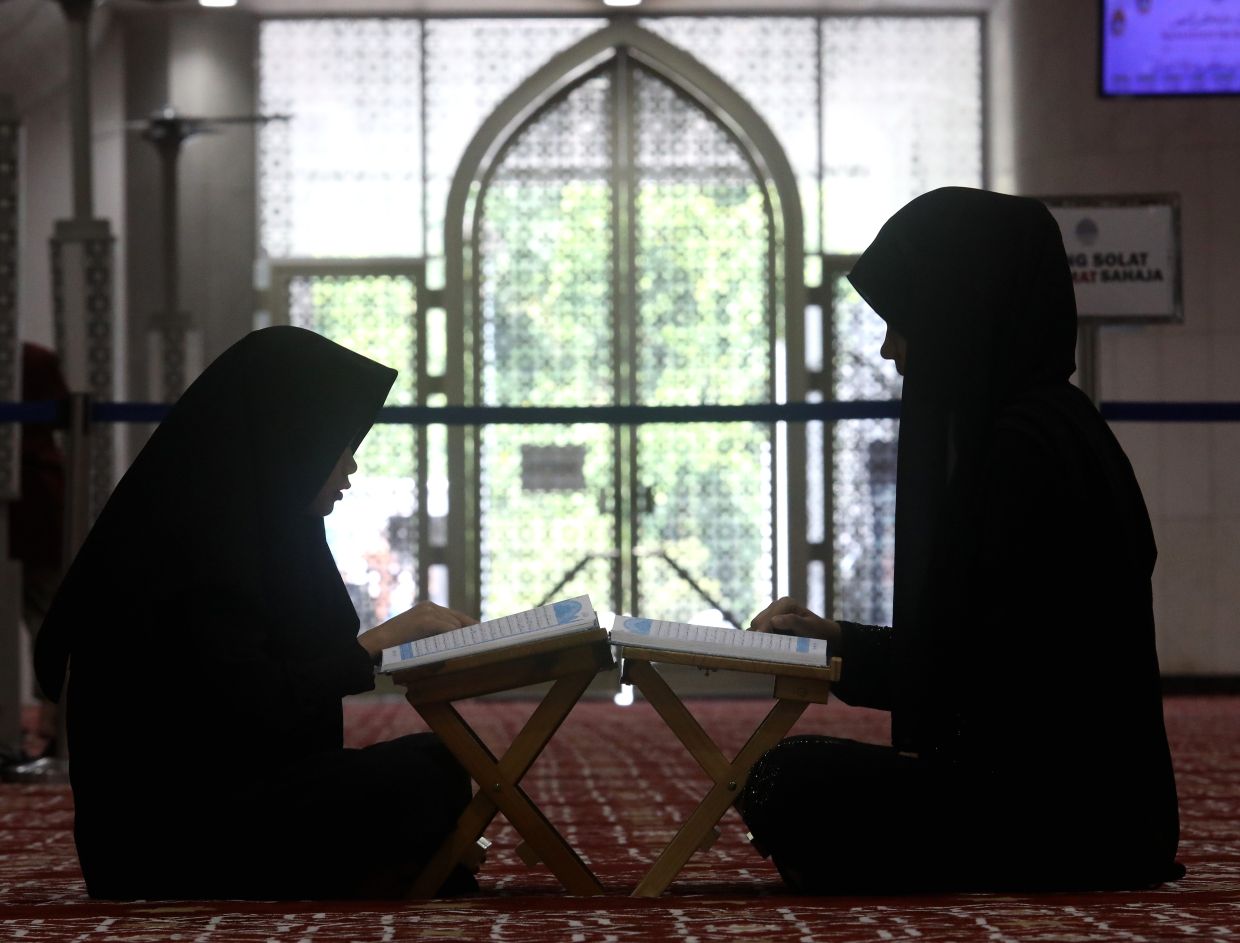
RAMADAN is the holiest month in the Islamic calendar, a time marked by heightened spirituality, renewal and growth. At its heart lies daily fasting from dawn to dusk – a personal act of devotion opening the door for both physical and mental detoxes. This sacred month offers not only divine blessings but also a continuing pathway to restore inner balance and mental wellbeing.
Beyond refraining from food and water during the day, the sacred pillar of fasting creates an inner space for us to become better versions of ourselves. The Holy Quran (2:183) makes it clear that fasting was prescribed so “that you may become righteous”. As we enter the final week of Ramadan, let us take stock of our emotional growth and how we can carry it forward rest of the year.
Inner work
In an age of institutionalised faith, Ramadan remains a deeply personal journey of reset and renewal nurturing spiritual and personal development alike. A month of practicing reflection, mindfulness, self-regulation, compassion and gratitude allows emotional resilience in our everyday lives.
Reflection – introspection, purpose and motivation
Inner reflection is essential for mental wellbeing, helping us understand our thoughts and emotions with greater clarity. Ramadan allows us to step back from the rhythm of routine life and look inward for deeper introspection on our “why”, enabling us to consciously “start-pause-stop-continue” actions in ways that align with our values and meaning in life.
This self-examination can guide us towards greater purpose and motivation in how we show up in the world, especially after a month defined by the desire to “be good” and “do good”. A higher level of intentionality helps us sustain meaningful changes throughout the year.
In such ways, we can elevate not only our inner state but also how we make a positive difference to our families, workplace and community.
Mindfulness – awareness, focus and presence
Mindfulness enables noticing thoughts, emotions and behaviour better, allowing us to make more conscious choices to improve our mental wellbeing. Ramadan makes this happen as we become more attuned to our inner state throughout the fasting period.
What better example of mindfulness than the moment we end our fast (buka puasa or iftar), becoming intensely aware of the first sip of water or bite of food as well as its significance for our body and mind. Mindfulenss is also reflected in our greater awareness of honouring the fast with our choice of words and actions throughout the day.
Such mindfulness can turn fasting into a broader practice of focus and presence, grounded in the “here and now” to align our actions with what enhances life satisfaction and interactions with others.
Self-regulation – ethics, tolerance and moderation
Self-regulation nurtures mental wellbeing by guiding our thoughts, emotions and behaviours to reflect deeper principles and priorities, instead of momentary impulses. During Ramadan, we can cultivate this inner discipline by prioritising the commitment to fasting over immediate urges of hunger or thirst throughout the day.
What is morally significant is that we hold back from taking a secret sip or bite while fasting, even when no person is watching. This month-long choice of personal restraint and accountability can strengthen our internal compass for more ethical, honest and responsible living beyond Ramadan.
Ramadan also encourages us to be more conscious of words and actions, pausing to think before we speak and acting with greater care during fasting. This can help us break out from unhealthy patterns of anger, hate, contempt, bitterness and resentment in our everyday lives, fostering greater tolerance and respect for one another.
Fasting reminds us that we can live without overindulgences and continue to function effectively throughout the day. This experience can nurture a deeper sense of moderation in our everyday lives, helping us avoid excess, waste and overconsumption for more sustainable and healthier lives.
Such self-discipline can help cultivate healthy habits beyond the physical restraint of fasting, leading us towards more principled, considerate and balanced lives.
Compassion – empathy, kindness and forgiveness
Compassion enhances mental wellbeing by reducing stress, elevating mood, strengthening relationships and calming the mind. Fasting makes this possible by allow us to experience, even briefly, the reality of hunger that so many people endure through no choice of their own.
While abstaining from food and water during fasting, we further open our hearts to the wider suffering and deprivations that shape human existence. This can nurture our empathy for greater kindness, generosity and care towards those less fortunate than us beyond this month, instilled through various forms of giving like zakat, fitrah and sadaqah in Ramadan.
Ramadan is also a time to seek divine forgiveness for past missteps, while recognising our imperfections and pursuing self-improvement. This can also help cultivate stronger tolerance and acceptance by letting go of grievances and earlier hurts, empowering us to reduce conflict, find closure and build inner peace.
Such a compassionate spirit can build a shared sense of humanity and collective action, especially within multicultural societies, recognising that life struggles are not confined to any colour or faith.
Gratitude – humility, thankfulness and appreciation
Gratitude helps us see the glass half full – or even fuller – reducing stress, deepening contentment and interrupting cycles of rumination, while leaving us more confident in facing life challenges. Ramadan nurtures this by altering the way we experience food and water, creating space to appreciate our most basic needs.
The feeling of hunger or thirst during fasting reminds us of our blessings and vulnerability alike, giving deeper meaning to what we often take for granted. It builds a sense of humility and thankfulness for the daily comforts we might otherwise overlook, including family, friends, health, employment, freedom, safety, dignity and the overall stability that holds our lives together.
Divine gratitude can flow into our everyday lives in such ways, humbling our hearts to appreciate our privileges, the people and experiences that shape us, and the community and world we belong to, all the while realising that much of life is a gift rather than an entitlement.
Way forward
Ramadan nurtures healthy practices for inner work and mental wellbeing, but its enduring impact comes from sustaining emotional growth throughout the year. This requires integrating positive habits and learnings into our everyday lives, instead of confining them to a seasonal effort.
How can we rise to the challenge of continuous improvement to become better versions of ourselves beyond this month?
First, take a moment to recognise your personal development. What were your main areas of growth this month?
Second, reflect on the growth areas most important for you, including how they align with your values and purpose. What makes these growth areas most meaningful for you?
Third, set goals for simple, incremental and consistent changes embedding the most important growth areas into your daily life, remembering that meaningful changes begin with small steps. What is one positive habit or learning you can practice every day that is aligned with your values and purpose?
Fourth, identify the parts of your life where you want to put this positive habit or learning into practice. How can you apply this change through a single action, interaction or choice? Get started!
Fifth, find time for reflection on your progress in applying this change, even if it is for a few minutes to realign with your values and purpose every day. What is working for you, and how can you grow a little more?
This change in practice can be as simple as intentionally and consistently reflecting on your values, speaking more considerately, reducing unnecessary waste, offering more empathy, giving or volunteering for those in need, working with greater intention, or taking any step that upholds your values and principles. Remember that small steps become great strides, so give yourself the same kindness you wish to offer others in your growth journey.
May the Ramadan spirit continue to strengthen our emotional growth, resilience and balanced beyond this month. Let us carry this journey forward to live with greater righteousness, purpose and awareness, which can help contribute to a more principled, harmonious and caring world for ourselves and those around us.
Selamat Hari Raya Aidilfitri!
Happy Eid!
Dr Arman I. Rashid is a Kuala Lumpur-born, Melbourne-based mental health practitioner, researcher and trainer. This article is dedicated to the author’s mother Fowzia Rashid (1949-2023), who was trained in counselling psychology and shaped his understanding of Ramadan’s deeper values at an early age. The views expressed here are solely the writer’s own.
