
Sports have always been about performance, strategy, and numbers. But in recent years, the way we analyze and understand sports has changed dramatically.
It’s no longer just about watching the game — it’s about breaking down data, visualizing patterns, and communicating insights clearly.
The Rise of Data in Sports
Modern sports rely heavily on analytics:
- player performance metrics
- advanced statistics
- real-time tracking data
- predictive modeling
From the NBA to the NFL, teams now use data to make decisions on everything from player rotations to long-term strategy.
Why Visualization Matters
Raw data alone isn’t enough.
For example:
- a table of stats is hard to interpret quickly
- multiple performance metrics can be confusing
- patterns are difficult to spot without visuals
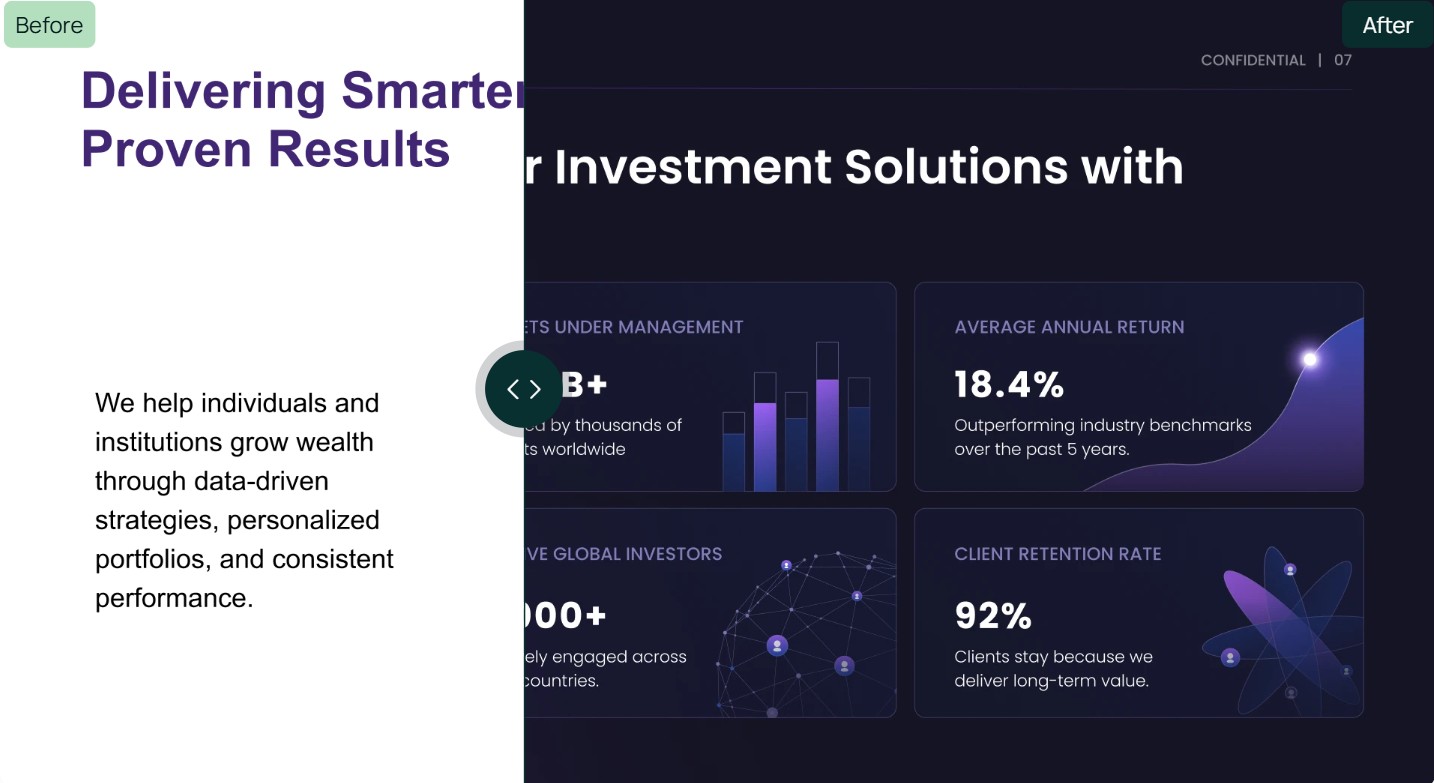
That’s why teams, analysts, and even content creators rely on visual formats to explain complex data.
How Analysts Present Sports Insights
To make data easier to understand, analysts often use:
- charts and graphs
- comparison slides
- breakdown visuals
- highlight sequences
This is especially important when:
- comparing players
- explaining tactics
- sharing insights with a broader audience
From Stats to Storytelling
The real value of sports analysis lies in storytelling.
Instead of just showing numbers, analysts:
- highlight key moments
- explain trends
- simplify complex insights
And to do that effectively, structure and design become essential.
In more advanced cases — especially when preparing detailed breakdowns, reports, or content for a wider audience — using a trusted presentation design service like https://pitchmont.com/ can help turn raw data into clear, engaging visuals that actually tell a story.
How This Applies to Fans and Content Creators
It’s not just teams that benefit from better visualization.
Sports creators, bloggers, and YouTubers now:
- break down plays
- compare players
- explain game strategy
Clear visuals help:
- increase engagement
- improve understanding
- make content more shareable
Final Thoughts
Sports analysis is no longer just about numbers — it’s about how those numbers are presented.
As data becomes more complex, the ability to visualize and communicate insights clearly will continue to grow in importance.
Whether you’re a professional analyst or just a passionate fan, turning raw stats into a clear story is what makes the difference.
