
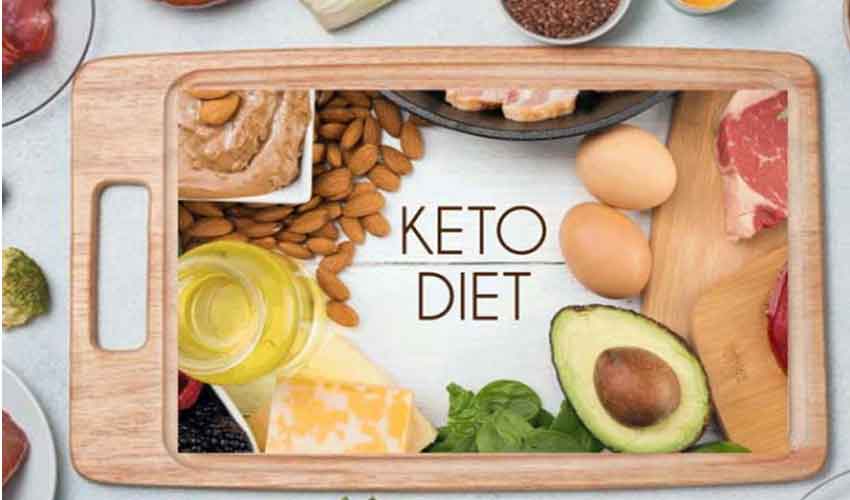
A new scientific study has raised concerns over the long-term safety of the popular keto diet, which emphasizes high fat and very low carbohydrate intake to promote rapid weight loss.
Researchers warn that sustained consumption of such diets could increase the risk of liver cancer over time.
Proponents of the keto diet argue that it helps reduce weight without triggering hunger, but recent findings by American scientists suggest that prolonged high-fat diets fundamentally alter the structure and behavior of liver cells.
The study explains that repeated fat-induced stress pushes liver cells into a more immature or less-developed state. While this adaptation allows cells to survive temporarily, it may increase susceptibility to diseases, particularly cancer, in the future.
“This change is essentially a trade-off,” said the research team. “Cells prioritize their survival, but the overall function of the liver suffers. Genes that support cell survival become more active, while genes critical for normal liver functions are suppressed. This imbalance can increase cancer risk over time.”
The research, published in the prestigious journal Cell, involved feeding mice a high-fat diet over an extended period. By the end of the study, nearly all the mice had developed liver cancer. Scientists warned that if these altered cells acquire harmful genetic mutations later, the likelihood of cancer increases significantly.
The team also analyzed human data from patients with various liver conditions, observing similar trends: genes linked to normal liver function gradually weakened, while those associated with cellular survival strengthened. Patients exhibiting these patterns had shorter survival periods after developing cancer.
While these changes occurred within a year in mice, researchers say they typically take around 20 years in humans. Lifestyle factors such as alcohol consumption, viral infections, and overall health may accelerate or slow this process, as they further push liver cells toward an immature state.
Researchers are now investigating whether a healthy, balanced diet or modern weight-loss therapies, such as GLP-1 injections, can reverse these effects. Experts warn that liver disease is no longer limited to older adults or heavy drinkers; it is increasingly affecting younger people, often without obvious symptoms.
Health specialists emphasize that anyone considering a diet for weight loss should carefully consider its long-term impact. Immediate benefits may come at a high cost to health in the future.
