
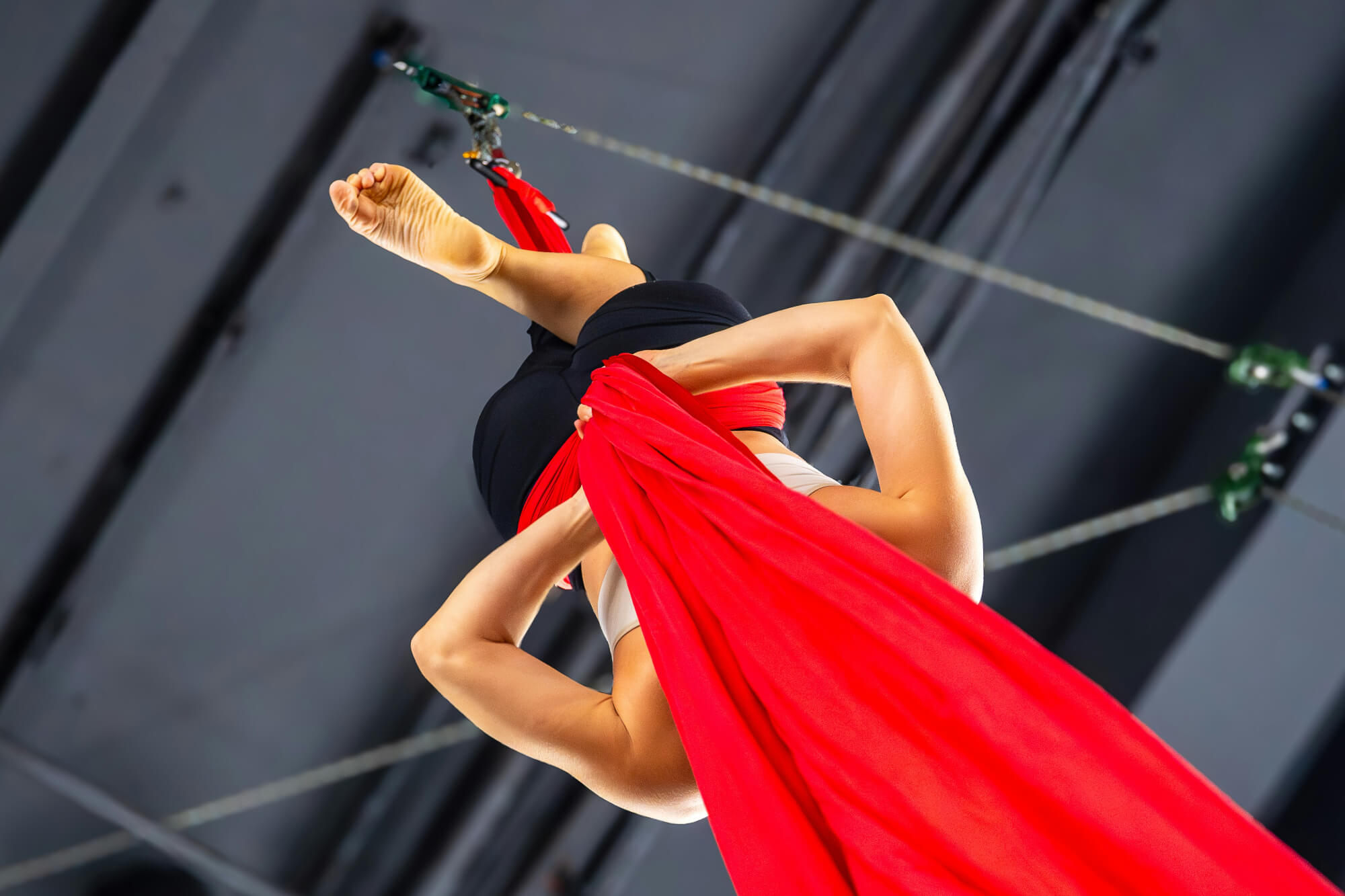
Aerial arts have rapidly grown in popularity around the world, combining strength, flexibility, coordination, and artistic performance. From aerial silks to hoop and straps, these disciplines require not only skill but also the right equipment to ensure safety and efficiency during training and performance.
Whether you are a beginner exploring aerial fitness or an experienced performer preparing for stage routines, understanding aerial equipment is essential for achieving the best results.
What Is Aerial Equipment?
Aerial equipment includes all apparatus and hardware used in aerial disciplines. This includes fabrics, metal apparatus, and rigging systems that allow performers to train and perform safely at height.
Each component plays a crucial role in stability, movement, and overall safety, making it important to choose high-quality and properly rated gear.
Types of Aerial Equipment
Aerial Silks
Aerial silks are long, durable fabric pieces used for climbing, wrapping, and dynamic drops. They are one of the most popular aerial disciplines and require strong, reliable materials to handle body weight and movement.
Aerial Hoop (Lyra)
The aerial hoop is a circular steel apparatus suspended in the air. It is used for spins, poses, and transitions, making it a favorite for both beginners and professional performers.
Aerial Straps
Aerial straps are designed for strength-based routines. They require excellent upper body strength and provide opportunities for dynamic and powerful movements.
Rigging Hardware
Rigging hardware includes carabiners, swivels, and mounting systems that connect the equipment to a fixed point. This is one of the most critical aspects of aerial setup, as it ensures the entire system remains secure during use.
Why Safety Matters in Aerial Training
Safety is the most important aspect of aerial arts. Using the wrong equipment or improper installation can lead to serious injuries. That is why performers must prioritize quality and regular inspection of their gear.
- Always use load-rated and certified equipment
- Inspect all components before each session
- Ensure proper installation and rigging
- Avoid overloading equipment beyond its capacity
How to Choose the Right Aerial Equipment
1. Experience Level
Beginners should start with basic equipment and focus on safety and proper technique. Advanced performers can use more specialized setups depending on their routines.
2. Equipment Quality
High-quality materials ensure durability and reduce the risk of failure during training. Investing in professional-grade equipment is always recommended.
3. Compatibility
All components of your rigging system must work together. Mixing incompatible equipment can compromise safety and performance.
4. Purpose
Choose equipment based on your needs. Training setups may differ from performance setups, especially in terms of durability and appearance.
Combining Equipment with Proper Apparel
In addition to equipment, the right clothing is essential for aerial training. Flexible and well-fitted apparel improves movement, grip, and overall comfort during practice.
Training and Performance Wear Collection
Conclusion
Aerial training requires a combination of proper equipment, safety awareness, and preparation. By selecting reliable gear and understanding how each component works, performers can improve their skills while minimizing risks.
Investing in quality aerial equipment and apparel is a key step toward safe, effective, and enjoyable training.
