
Last Updated:
Diet lays the metabolic groundwork, injections offer pharmacological support, surgery delivers powerful physiological change, but long-term results demand behavioural restructuring




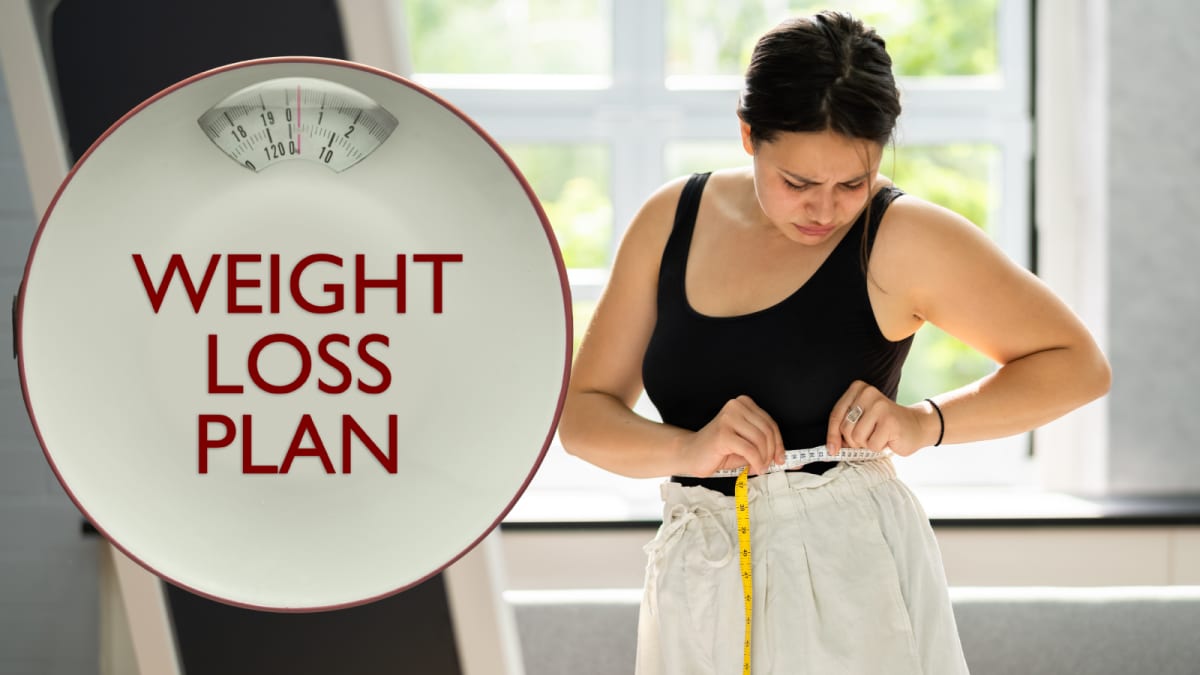
According to the World Health Organization’s 2025 Global Obesity Report, obesity rates have nearly tripled since 1975, and excess weight is now linked to increased risks of heart disease, diabetes, liver dysfunction and at least one in ten infection-related deaths. (Image: Canva)
When 57% of adults around the world now live with obesity or are overweight, the conversation shifts from fad diets to long-term metabolic health. According to the World Health Organization’s 2025 Global Obesity Report, obesity rates have nearly tripled since 1975, and excess weight is now linked to increased risks of heart disease, diabetes, liver dysfunction and at least one in ten infection-related deaths. This isn’t about willpower anymore; it’s about biology, behaviour and evidence-based pathways to lasting change.
But ask ten people how they lost weight and you will get ten different answers, from strict dieting to cutting-edge GLP-1 weight loss injectables to weight-loss surgery. That diversity reflects more than personal preference. It reflects real differences in genetics, hormones, metabolism and lifestyle that science has only recently begun to unpack.
In 2026, metabolic medicine stands at a crossroads, medications such as GLP-1 receptor agonists once reserved for diabetes are now globally prescribed for weight management, and research from The American Society for Metabolic and Bariatric Surgery shows surgery can outperform pharmaceuticals for substantial, sustained weight reduction.
Yet none of these tools exists in a vacuum. The story of weight loss is no longer a clash of silos, it is about understanding who benefits most from diet, who needs medical support, who may require surgical intervention, and how psychological and behavioural patterns shape every step of the journey. Drawing on the latest research and expert insight from clinicians across nutrition, endocrinology and internal medicine, this feature explores what actually works for lasting weight loss and why a personalised, integrated approach is increasingly the best path forward.
We spoke to a series of experts, Bariatric surgeons, Endocrinologist, Internal medicine physicians and Dietitians just to examine what truly works for sustained weight loss by drawing on their experiences to answer questions of “what’s best” into “what works for whom, and why”.
Diet: Not Just Calories — A Lifelong Foundation
When people think of losing weight, diet is the first tool that comes to mind. Many begin with reducing calories, cutting perceived “bad” foods, or following popular eating patterns. And yet, as Dt. Prachi Jain, Senior Manager & Head of Nutrition & Dietetics at Max Super Speciality Hospital, Vaishali, explains, controlling weight is not simply about restriction.
“Individuals affected by obesity have a multitude of treatment options available that include traditional dieting methods, weight-loss injections and bariatric surgery,” she says. Dietitian Mary Saint, quoted by Jain, emphasises that “no single treatment is best for everyone,” because success is shaped by genetics, hormones, metabolism, medical conditions and lifestyle choices.
This resonates with Drishya Ale, dietician at Paras Health in Gurugram, who points out that body weight regulation varies widely due to genetics, metabolic rate, hormonal balance and lifestyle. Factors such as insulin resistance, thyroid dysfunction, PCOS, chronic stress-related cortisol elevation, sleep deprivation and sedentary habits complicate how the body responds to a given diet.
Such variability explains why two people can follow the same dietary plan for months and achieve very different results. “Personalisation is therefore critical in any long-term weight management strategy,” says Ale, underscoring that dietary change must be tailored.
But what really supports lasting weight loss? Both Ale and Dr Mahroosa, Senior Consultant in Endocrinology at Paras Health, Srinagar, stress that sustainability not speed underpins long-term success. Sustainable approaches emphasise balanced nutrition with adequate protein, healthy fats and fibre, as well as behavioural habits that can be maintained for years rather than weeks. In practice, this might mean restructuring meal timing, prioritising lean proteins to preserve muscle mass, improving sleep hygiene and integrating consistent strength training not rapid, short-lived dieting cycles.
Diet, in this sense, becomes less about shedding pounds quickly and more about reshaping metabolic and behavioural patterns. When patients shift from temporary calorie restriction to building lasting patterns, they are far more likely to maintain weight loss over years rather than months, a distinction that many long-term diet studies now reinforce.
Weight-Loss GLP-1 Injections: A New Frontier with Conditional Benefits
Injections that suppress appetite and modify metabolic signalling especially glucagon-like peptide-1 (GLP-1) receptor agonists like semaglutide (Wegovy) and tirzepatide (Zepbound) have emerged as some of the most talked-about weight-loss treatments in recent years. Designed initially for diabetes management, these drugs influence satiety cues and insulin sensitivity, producing significant weight loss in clinical settings.
Company announcements and recent trials have shown promising outcomes. For example, a mid-stage clinical study of a novel “triple-hormone” agent revealed average weight loss of nearly 20% over 24 weeks, a figure substantially higher than many earlier therapies and competitive with leading injections.
Nevertheless, real-world evidence tells a more nuanced story. Research tracking GLP-1 drugs outside controlled trials shows that average weight loss is significantly lower sometimes under 9 per cent after a year due to factors such as side effects, cost barriers, treatment discontinuation and variability in adherence. Moreover, much of the initial improvement tends to plateau within the first 12–18 months, after which sustained loss requires continued treatment and lifestyle integration.
Experts like Jain acknowledge that injections can meaningfully improve appetite control and metabolic state, particularly when combined with diet and exercise, and especially for individuals with obesity-related medical conditions. But Dr Santosh Kumar Agrawal, Director of Internal Medicine at Yatharth Super Speciality Hospital, Faridabad, cautions that injections support metabolic correction rather than replace healthy habits.
“Weight loss medications can help regulate appetite, improve insulin sensitivity, and enhance adherence,” he says, adding that they should be viewed as complementary to foundational lifestyle changes. Many clinicians now recommend them for individuals who struggle to achieve meaningful progress through diet alone or who face specific metabolic roadblocks.
Emerging formulations including once-daily pills that avoid fasting requirements and newer molecules targeting multiple hormones point to an expanding armamentarium. Yet long-term outcomes for these therapies remain under evaluation, and affordability remains a major barrier in many countries. A recent industry move to reduce list prices of semaglutide-based medications in the US reflects these accessibility concerns, although even discounted prices can strain patient budgets.
Bariatric Surgery: A Powerful, Metabolic Reset
When obesity is severe, or when metabolic complications such as type 2 diabetes, hypertension, sleep apnoea or fatty liver disease are present, many clinicians view bariatric surgery not as cosmetic but as therapeutic. Procedures like sleeve gastrectomy and Roux-en-Y gastric bypass fundamentally alter the gut’s capacity and hormonal signalling, producing dramatic and enduring changes in weight and metabolic health.
Real-world comparisons consistently show that surgery leads to far greater weight loss than either medications or diet alone. Research presented at the 2025 Annual Scientific Meeting of the American Society for Metabolic and Bariatric Surgery found that, over two years, bariatric patients lost roughly five times more weight than those using weekly GLP-1 injections, an average of about 58 pounds versus 12 pounds.
Similarly, longer-term follow-up studies highlight that surgery not only facilitates sustained weight reduction but also dramatically improves metabolic health. A major investigation by the Cleveland Clinic found that people with obesity and type 2 diabetes who underwent surgery had lower risks of heart attack, kidney failure, eye damage and death over a decade compared with those treated with GLP-1 drugs alone.
Despite these strong outcomes, surgery remains underutilised. Dozens of millions worldwide meet eligibility criteria, but only a tiny fraction undergo procedures, a gap driven by fear of surgery, access barriers, cost, and misconceptions about long-term results.
Bariatric surgery’s effectiveness also depends on long-term follow-up and behavioural change. As Jain and other experts note, individuals must commit to lifelong nutrition management and behaviour modification. Nutrient deficiencies, dumping syndrome and psychological challenges can arise if postoperative habits are not adjusted.
In clinical practice, surgeons now frequently advocate for integrated care: preoperative weight loss through diet and medications to improve surgical safety, followed by structured nutritional and behavioural programmes post-surgery. In fact, research shows that a growing number of surgery patients adopt GLP-1 injections years after their procedures to support ongoing metabolic health when weight loss plateaus.
Why Integration Matters More Than Choice
Across treatments, one theme dominates expert commentary: no single approach works in isolation. Diet lays the metabolic groundwork, injections offer pharmacological support, and surgery delivers powerful physiological change, but sustainable outcomes demand behavioural restructuring, psychological resilience and continuous monitoring.
“Diet, pharmacotherapy, and surgical interventions should not be viewed as competing methods but as parts of a continuum of care,” says Dr Mahroosa. Motives and habits whether emotional eating, stress, sleep patterns or mindset can make or break long-term success regardless of the intervention chosen.
Many clinicians now emphasise comprehensive tracking beyond body weight alone. Changes in waist circumference, body composition, blood glucose, lipids and liver function provide a more nuanced picture of health progress than the scale. Wearable devices and continuous glucose monitoring increasingly help individuals tailor their strategies in real time.
Emerging trends from gut microbiome research to machine-learning models that predict individual responses to treatment suggest a future where weight management is more personalised than ever. Rather than a singular “best solution”, the goal is a bespoke plan that acknowledges unique biology, psychology and life context.
In the end, what works best for lasting weight loss is not a universal answer, but an individual journey, one that blends medical science with human behaviour, metabolic insight and sustained self-care.
March 02, 2026, 08:00 IST

Stay Ahead, Read Faster
Scan the QR code to download the News18 app and enjoy a seamless news experience anytime, anywhere.