
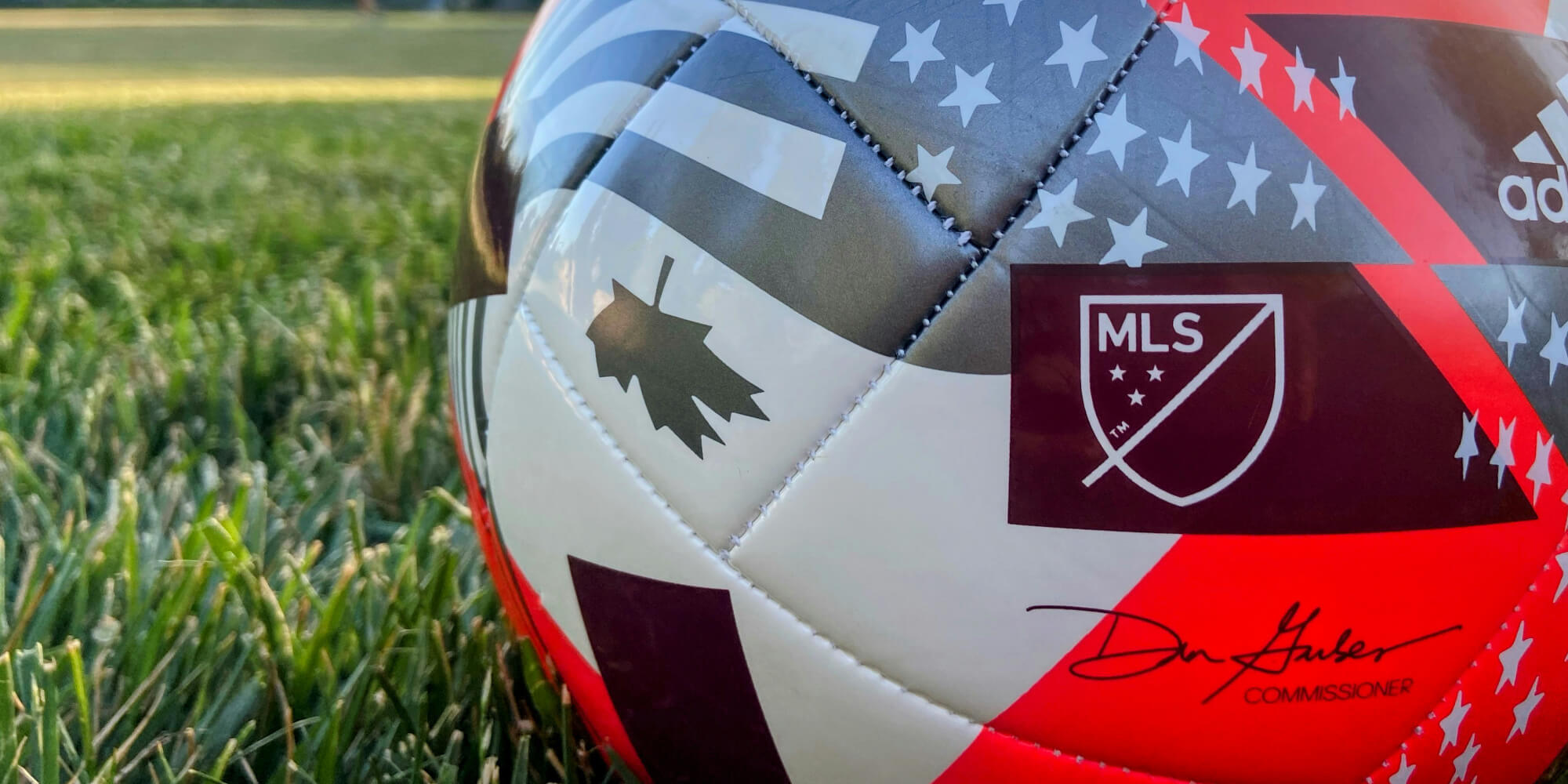
The Major League Soccer landscape has expanded dramatically over the past decade, with franchises sprouting up from Miami to Seattle, Nashville to Austin. Yet as the league enters its fourth decade, several major American metropolitan areas remain conspicuously absent from the MLS map. With the United States set to co-host the 2026 FIFA World Cup alongside Canada and Mexico, the question looms: will hosting the world’s biggest sporting event finally bring the beautiful game to these soccer-starved cities?
The Desert Without a Team: Phoenix’s MLS Gap
Phoenix stands as the fifth-largest city in the United States, boasting a metropolitan population exceeding 4.9 million residents. The Valley of the Sun supports professional franchises in all four major American sports—the NFL’s Cardinals, NBA’s Suns, MLB’s Diamondbacks, and NHL’s Coyotes (recently relocated). Yet MLS has never planted its flag in the Arizona desert.
The reasons are multifaceted. Phoenix’s scorching summer temperatures, often exceeding 110 degrees Fahrenheit, present a significant challenge for outdoor soccer. While the city has discussed potential MLS expansion multiple times, concerns about stadium financing, ownership groups, and whether the market could sustain another professional franchise have consistently stalled progress. The transient nature of Phoenix’s population, with many residents maintaining stronger connections to teams from their hometowns, also contributes to a fragmented sports culture that hasn’t coalesced around soccer the way it has in cities like Atlanta or Seattle.
The Motor City’s Stalled Soccer Engine
Detroit, America’s 14th-largest city with a metro population of approximately 4.3 million, represents another glaring omission. The city that revolutionized American industry has struggled to attract MLS despite having a rich soccer history through lower-division teams like Detroit City FC, whose supporters have created one of the most passionate fan cultures outside the top flight.
The Motor City’s economic challenges following the automotive industry’s decline have made it difficult to assemble the financial backing required for an MLS franchise. The league’s expansion fees, which have climbed to over $500 million for recent entrants, represent a substantial barrier. Additionally, Detroit’s sports market already splits attention among the Lions, Pistons, Tigers, and Red Wings. Soccer has historically been viewed as a niche sport in the region, with established fandoms proving difficult to disrupt. However, the grassroots success of Detroit City FC demonstrates that latent demand exists—it simply hasn’t translated into MLS-level investment.
San Diego’s Perpetual “Almost” Status
San Diego, the eighth-largest city in America with 1.4 million residents and a metro population exceeding 3.3 million, has been tantalizingly close to securing an MLS franchise on multiple occasions. The city lost the Chargers to Los Angeles in 2017, leaving a void in the professional sports landscape that soccer could theoretically fill.
Despite multiple ownership groups expressing interest and the city’s favorable climate for year-round soccer, deals have repeatedly fallen apart over stadium disagreements. San Diego’s political landscape has proven complicated, with voters rejecting public funding for sports facilities. The city’s proximity to both Los Angeles MLS franchises—the Galaxy and LAFC—also raises questions about market saturation in Southern California. For American sports enthusiasts looking to engage with soccer analysis and predictions as the sport grows domestically, platforms like 12play offer accessible entry points into understanding the strategic elements that make the game compelling.
Why Soccer Struggles in Traditional American Sports Markets
The absence of MLS teams in these major cities reflects broader cultural patterns in American sports consumption. Unlike the Big Four leagues—NFL, NBA, MLB, and NHL—which have had over a century to embed themselves in American culture, soccer faces the challenge of being a relative newcomer competing for attention in saturated markets.
Traditional American sports offer frequent scoring, clear statistics, and built-in commercial breaks that align with advertising-driven broadcasting models. Soccer’s continuous 90-minute halves and lower-scoring nature represent a departure from established viewing habits. Additionally, youth soccer participation, while widespread, hasn’t consistently translated into adult fandom. Many Americans play soccer as children but shift their viewing preferences to traditional American sports as they age, creating a participation-to-viewership gap that doesn’t exist to the same degree with basketball or baseball.
The fragmentation of soccer’s structure in America also plays a role. With top European leagues readily available through streaming services, American soccer fans often direct their passion toward the Premier League, La Liga, or Serie A rather than MLS. The league’s salary cap structure, while promoting competitive balance, means MLS cannot consistently attract the caliber of talent that competes in Europe’s top divisions, making it a harder sell to casual fans.
The 2026 World Cup Effect: A Catalyst for Change?
The upcoming World Cup represents a watershed moment for American soccer. When the United States previously hosted the tournament in 1994, it directly led to MLS’s founding two years later. The 2026 edition, with matches spread across 16 cities including venues like MetLife Stadium and AT&T Stadium, will expose millions of Americans to world-class soccer in their own backyards.
Historical precedent suggests hosting the World Cup creates lasting impacts. Germany 2006, South Africa 2010, and Russia 2018 all experienced measurable increases in youth participation and professional league attendance in subsequent years. For the United States, the effect could be even more pronounced in cities currently without MLS franchises. Phoenix, Detroit, and San Diego all have strong youth soccer foundations and growing Hispanic populations for whom soccer is already the dominant sport. The World Cup’s month-long immersion could provide the cultural momentum needed to tip these markets from soccer-curious to soccer-committed.
MLS has already announced plans to expand to 30 teams, with San Diego and Phoenix frequently mentioned as potential expansion candidates. The league’s growing financial stability, increased broadcast deals, and rising franchise valuations make expansion into these markets increasingly viable. If the 2026 World Cup generates the anticipated enthusiasm surge, we may finally see these major American cities join the MLS family, completing soccer’s long journey from peripheral sport to mainstream American institution.
