Last Updated:
The tennis icon’s Super Bowl ad for a weight-loss drug has sparked concern over body image, Big Pharma, and what kids absorb from prime-time TV




Serena Williams Just Promoted Weight Loss Drug GLP-1 On The Super Bowl Stage. Are Kids Watching?
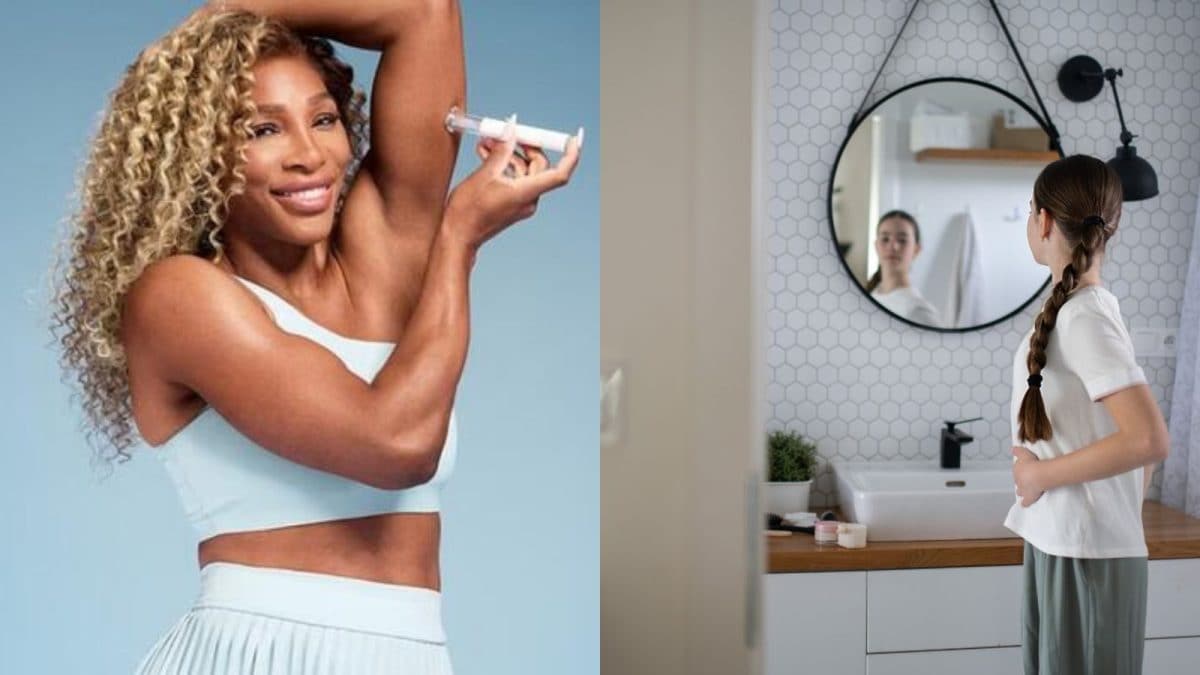
For decades, Super Bowl commercial breaks were a predictable parade of Clydesdales, light beer, and high-octane pickup trucks. But this year, a different kind of ad made its way to us. In a high-energy spot for the telehealth platform Ro, tennis legend Serena Williams traded her racket for a choreographed routine, celebrating the convenience of obtaining GLP-1 weight-loss medications.
While the ad, we assume, was designed to feel empowering and modern, it has instead ignited a fierce online conversation about the ethics of marketing “miracle” drugs during the world’s most-watched television event, especially when the pitchman is one of the greatest athletes in history.
The Ad: “Convenience” In A Needle And A Pill
In the 30-second spot, Williams is seen glowing and energetic, moving through a series of steps while discussing how easy it is to access GLP-1s (the class of drugs that includes Zepbound (tirzepatide)) via the Ro app.
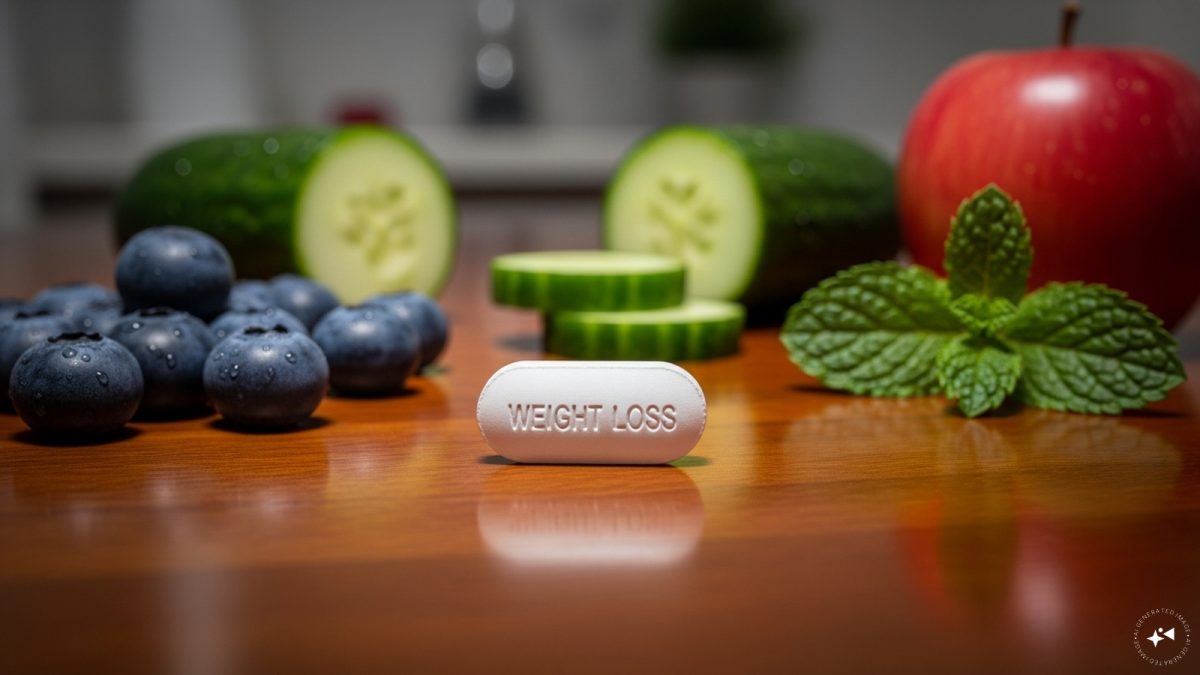
Crucially, the ad highlights a new frontier in the market: the availability of these medications in pill form.
Why Did Serena Williams Market This Drug?
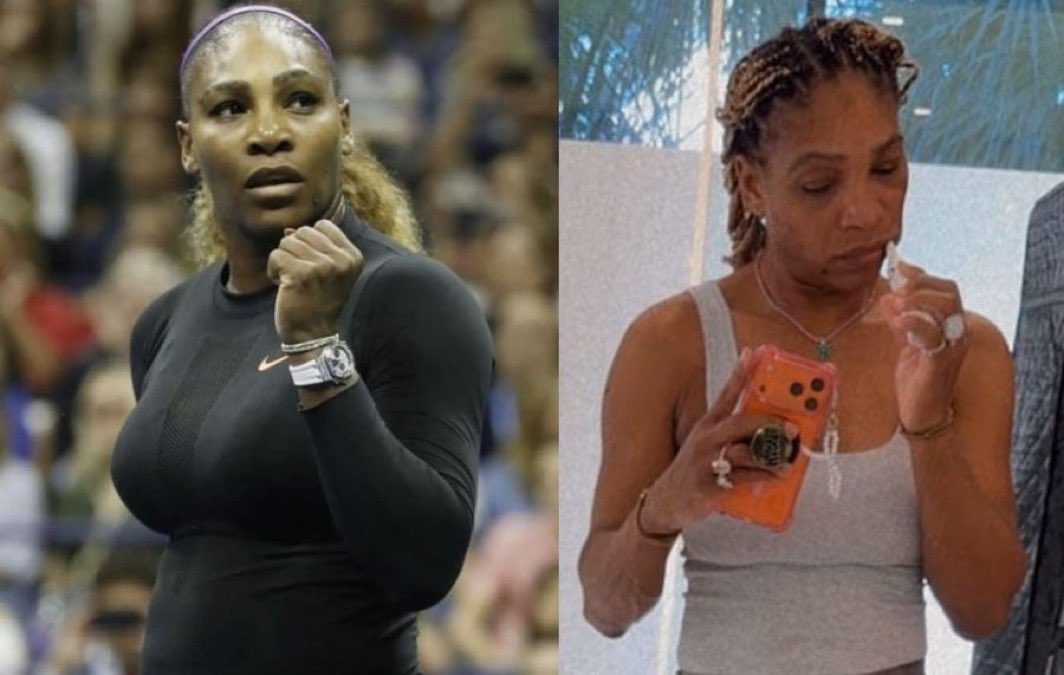
The commercial has multiple facets. Firstly, Williams’ has personally struggled with weight loss. After welcoming her second daughter, Adira, in 2023, the 23-time Grand Slam champion found herself in uncharted territory. Despite a lifetime of elite discipline and “eating clean,” her weight remained resistant even after she stopped breastfeeding in 2024.
“I never was able to get to the weight I needed to be no matter what I did, no matter how much I trained,” Williams told People. “It was crazy because I’d never been in a place like that where I worked so hard and could never get down.”
Turning to weight loss drugs, she eventually lost 15 kg (approx. 34 lbs) over a year. She credits the medication with more than just aesthetics, citing a 30% drop in cholesterol and significantly reduced stress on her knee joints, markers she says are better now than during her peak professional years.
“Big Pharma” Hits The Living Room
Despite the success story, the immediate reaction was a mix of nostalgia and profound discomfort. Many viewers voiced a longing for the simpler days of snack-food mascots, feeling that the intrusion of injectable pharmaceuticals into a family-oriented sports event crossed a line.
And then there’s the conflict of interest: Williams’ husband, Reddit co-founder Alexis Ohanian, is an early investor in Ro and serves on its board of directors. Critics argue this turns a “health journey” into a family business venture.
But people are mostly criticising the ad for one reason: it peddles weight loss as a solution you can buy at a store. Despite Williams insisting the drug is a “tool, not a shortcut,” social media users have been quick to label the ad unfair, arguing that one of the world’s most fit women shouldn’t be the face of a pharmaceutical “quick fix.”
What Will Happen To Kids Who See This?
Beyond the “cringe” factor lies a deeper concern regarding teen body image. Health experts have often raised alarms about the “normalisation” of weight-loss drugs for a demographic that is already susceptible to social media pressure and body dysmorphia.
With millions of children tuned in, the ad bypasses the doctor’s office and goes straight to the impressionable. Plus, showing a global icon navigating an app to order injections or pills like a food delivery service risks making medical intervention seem casual.
While US is certainly facing an obesity pandemic, advocates for eating disorder recovery have always argued that glamorising weight-loss “solutions” on such a massive stage can trigger or exacerbate body dissatisfaction among vulnerable youth.
February 09, 2026, 17:30 IST
